About Us
The UN Global Compact – Cities Programme was founded in 2003 on a platform of collaboration between all levels of government, business and civil society, to address critical global challenges at the local level. It was established by the United Nations Global Compact in the recognition that cities have an important role to play in shaping global sustainability and that all actors in cities need to work in partnerships to overcome the increasingly complex and urgent issues presenting in the urban environment. This platform was termed ‘the Melbourne Model’.
A specialist, dedicated network and service for city and regional participants of the United Nations Global Compact
More than 13 years later, the Cities Programme continues to support the growing number of city and regional participants of the United Nations Global Compact to advance the Ten UN Principles – in the areas of human rights, labour, the environment and anti corruption – and more recently, the new Sustainable Development Agenda. Sustainable Development Goal (SDG) 11: Make cities that are inclusive, safe, resilient and sustainable, is a top priority. The other 16 SDGs are also supported and recognised. To date there are more than 135 cities and regions; they range from world capitals, states and delegations to rural municipalities.
International Secretariat
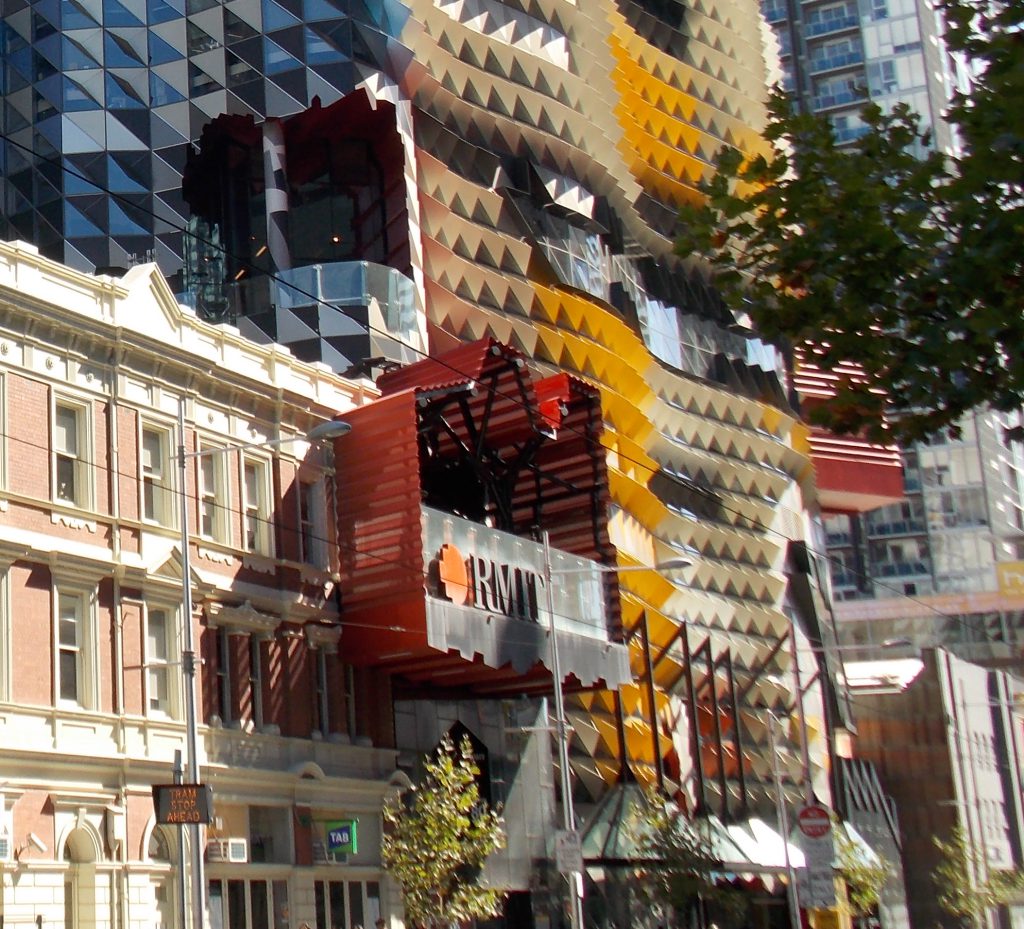
The UN Global Compact – Cities Programme is managed by an International Secretariat that is hosted by RMIT University in Melbourne, Australia. RMIT is the Cities Programme principal supporter; the university resources many aspects of the Cities Programme’s services as part of its commitment to global sustainability.
The International Secretariat provides specific services to city participants of the UN Global Compact which include:
- expert technical advice;
- project development and facilitation;
- research;
- publishing; and
- networking and knowledge exchange opportunities.
We also provide advice on Communication on Engagement (COE) reporting.
Regional Liaison
With time we have developed regional representation in particular regions:
- Brazil
- Malta
- Puerto Rico
These individuals represent us, provide advice to cities, assist reporting and project development. They work in very close communication to the International Secretariat office.
Urban Scholars and Global Advisors
We have the support of a group of experts who have technical knowledge in specific areas, urban scholars and global advisors. Their expertise is available to city participants and they can contribute to project development and implementation.
Global Compact Local Networks
We also work very closely with Global Compact Local Networks in support of city participants of the UN Global Compact. These networks are in over 80 countries. The Chief of Local Networks, Walid Nagi, is on the Executive of the UN Global Compact – Cities Programme.